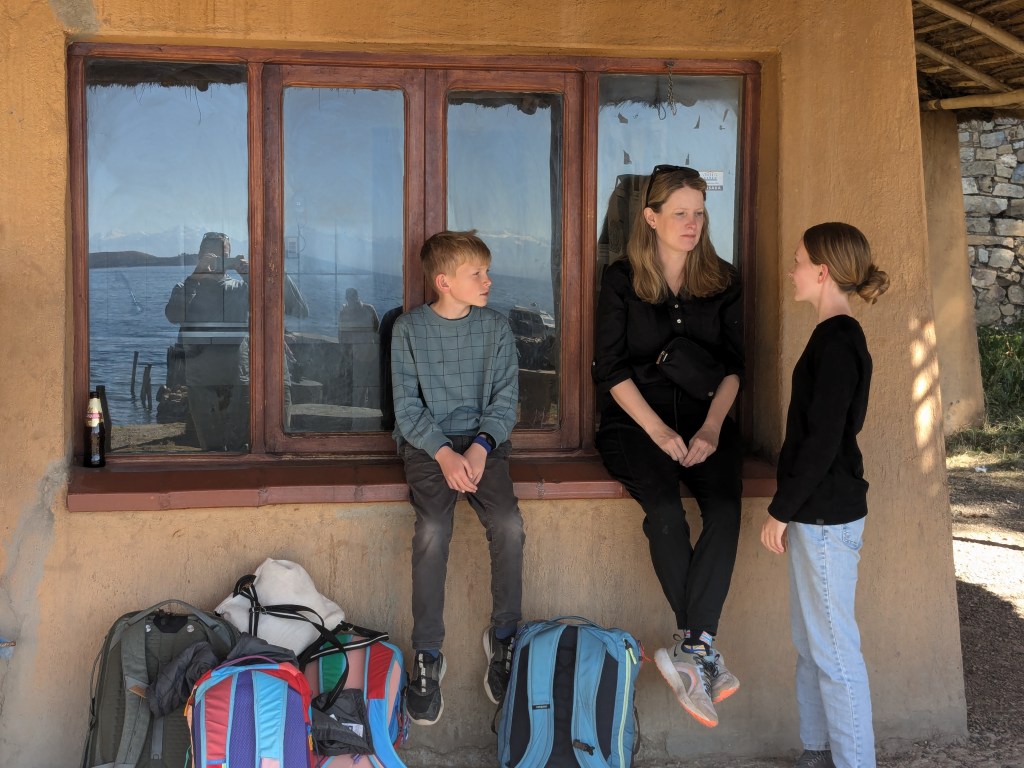
It was a wild month in Bolivia.
First we had to plan around a threatened nation-wide road block due to fuel shortages. Next came an attempted coup by the recently fired army general, and rumors that the coup was in fact staged by the unpopular President Arce. A bout of sickness stranded us in a mining city where the favorite local activity appeared to be staging loud parades for hours at a time.
Even absent those events, everyday travel in Bolivia was a bit more difficult in terms of figuring out transport, locating a functioning ATM and finding somewhere to stay that wouldn’t make Madeleine cry.
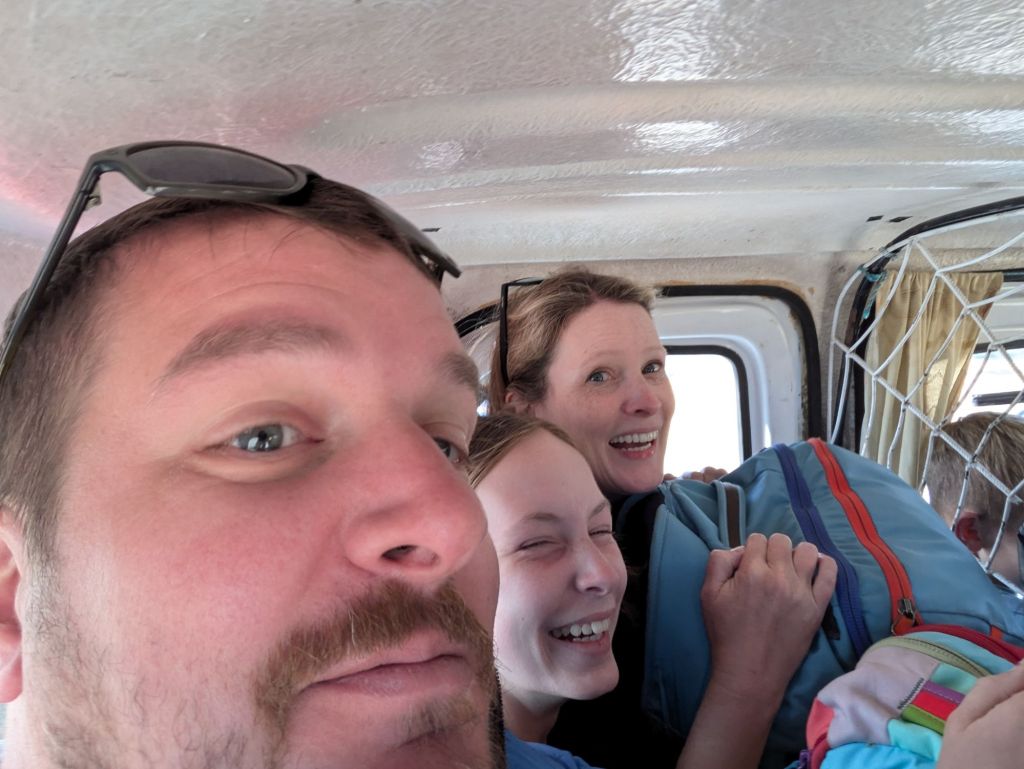
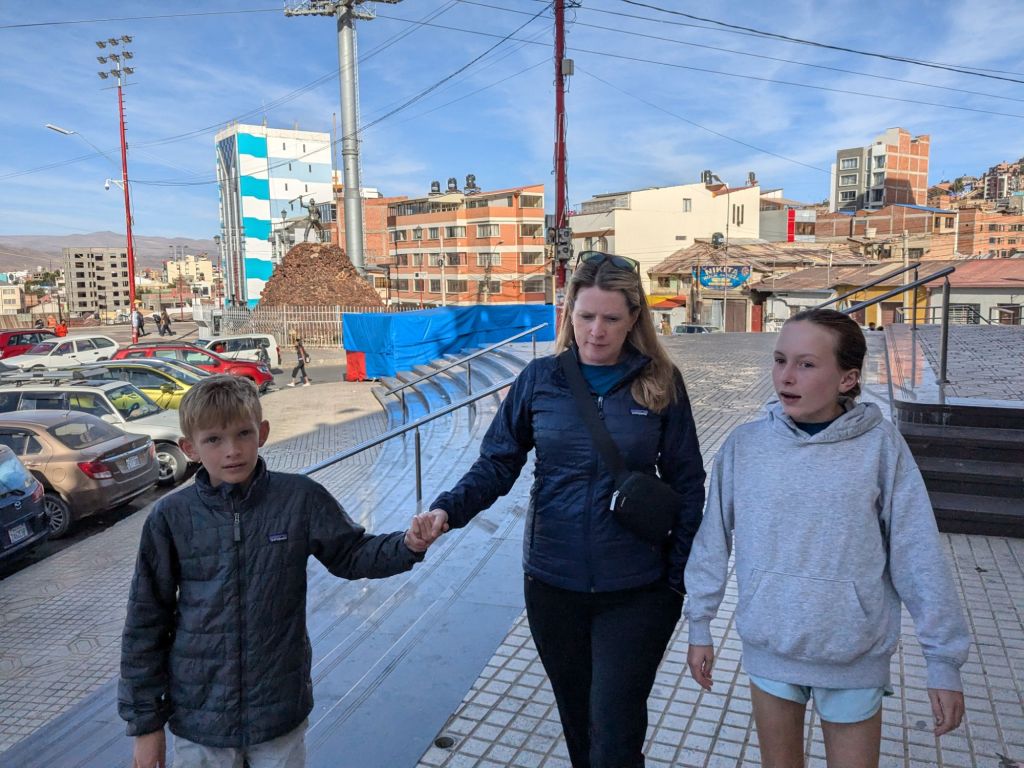
Also, let’s talk about the altitude. Most of the country is crazy high. We struggled for a week at 10,000 feet then went higher and had moments of struggling again. With recommendations from locals we managed fine but every moderate climb robbed us of breath and made us yearn to get back to sea level.

And yet, despite all of this, we didn’t want to leave. From our first day, Bolivian people warmly welcomed us and made us feel at home. We didn’t meet too many other tourists, but those we met were thoughtful and interesting. Roaming around UNESCO World Heritage sites with just a handful of other visitors, we felt like we were at the edge of the world.
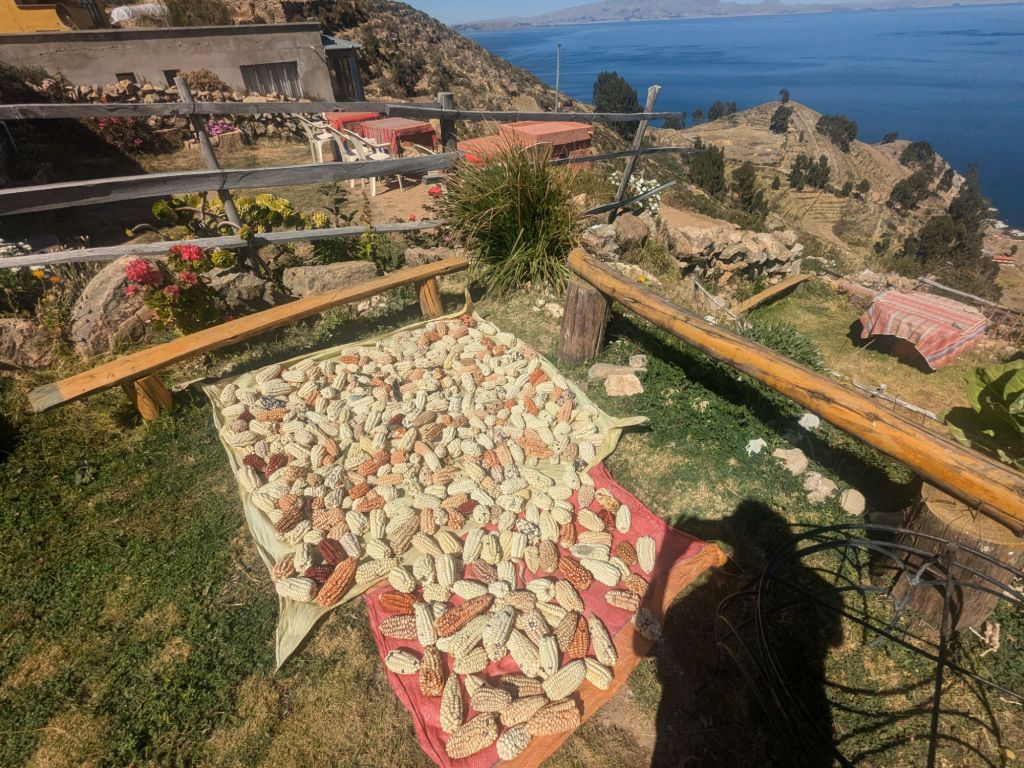
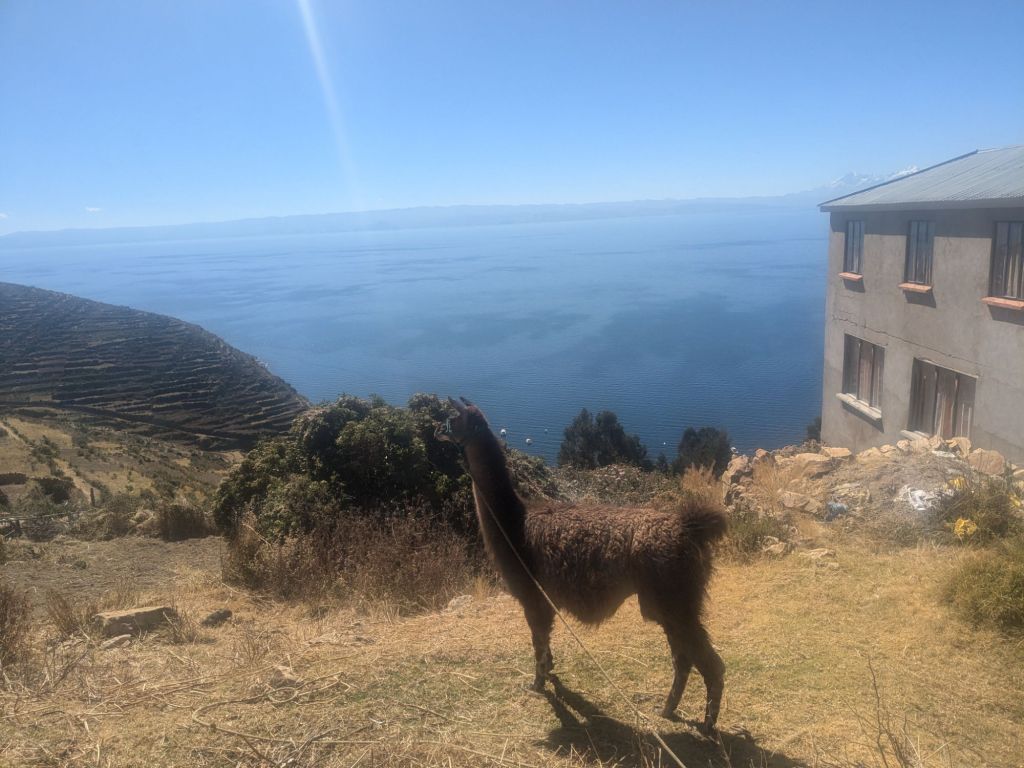
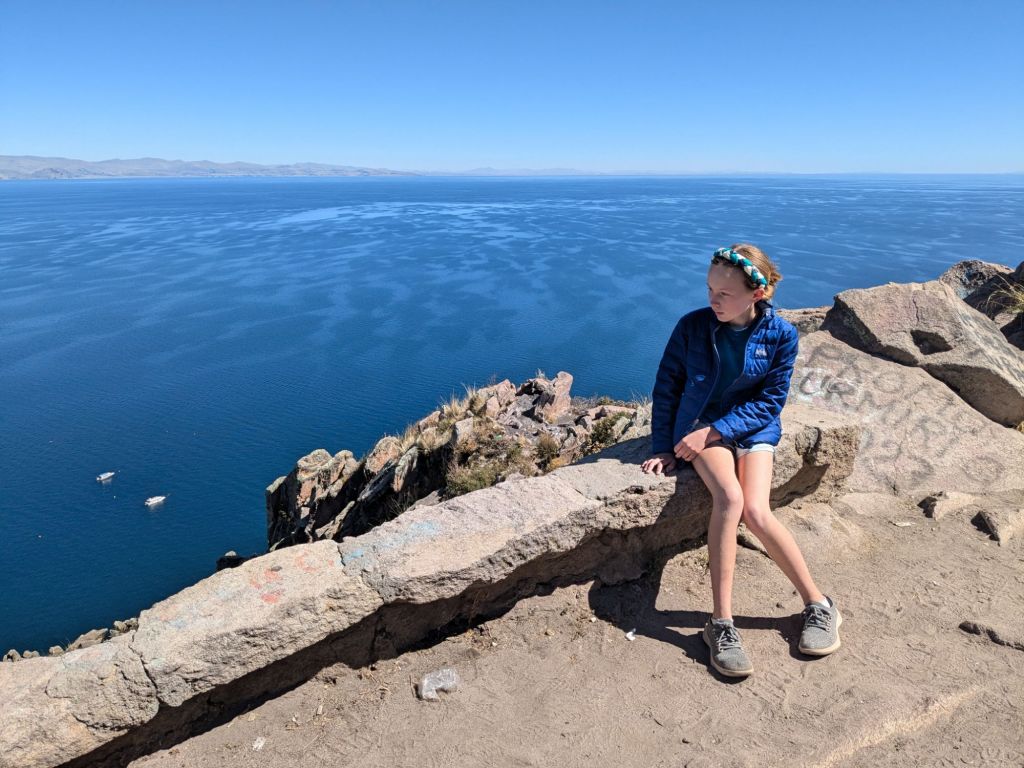
Our last few nights were spent on the Isla del Sol, an island on the Bolivian side of Lake Titicaca, which is believed to be the birthplace of the Incans. It was a fitting end to our four weeks in this country of contradictions.
Getting to the island involved taking a bus from La Paz which traversed part of the lake on a raft. After arriving at the island, the only way to get into the village was a long and steep climb with our backpacks. We were rewarded with two days in one of the most spectacularly beautiful and peaceful spots we could imagine. Hiking around the island we got chatting about life with a local woman who was tending to her llamas and sheep. Even the kids, initially put off by the rustic nature of the island, were sad to leave.


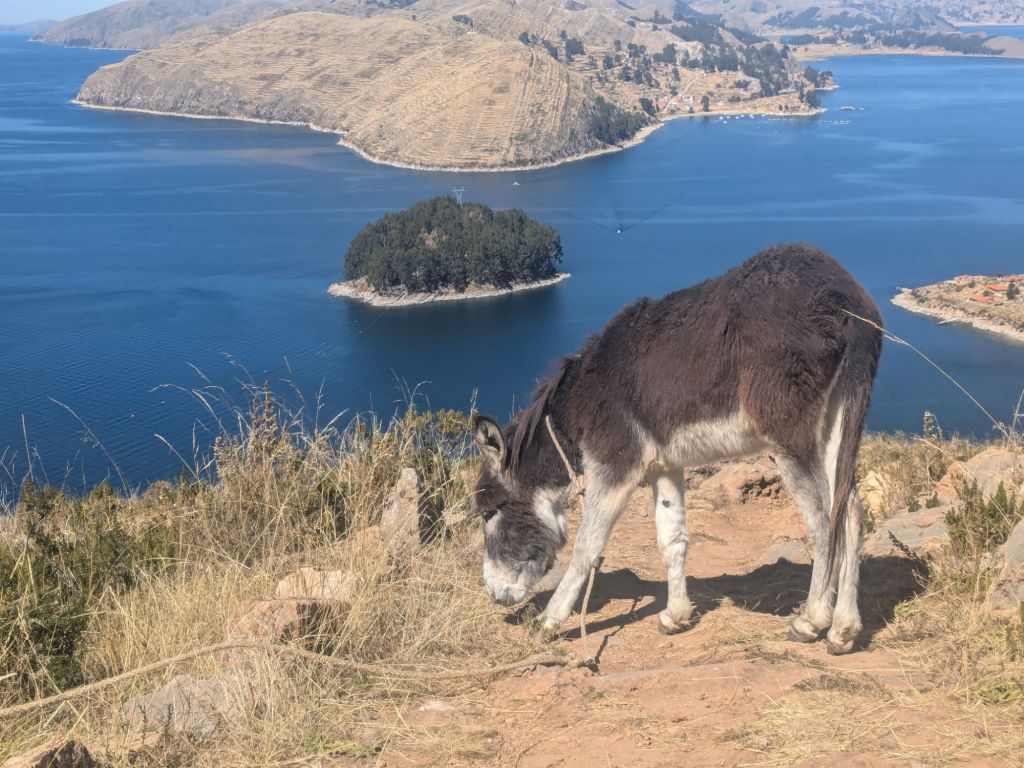
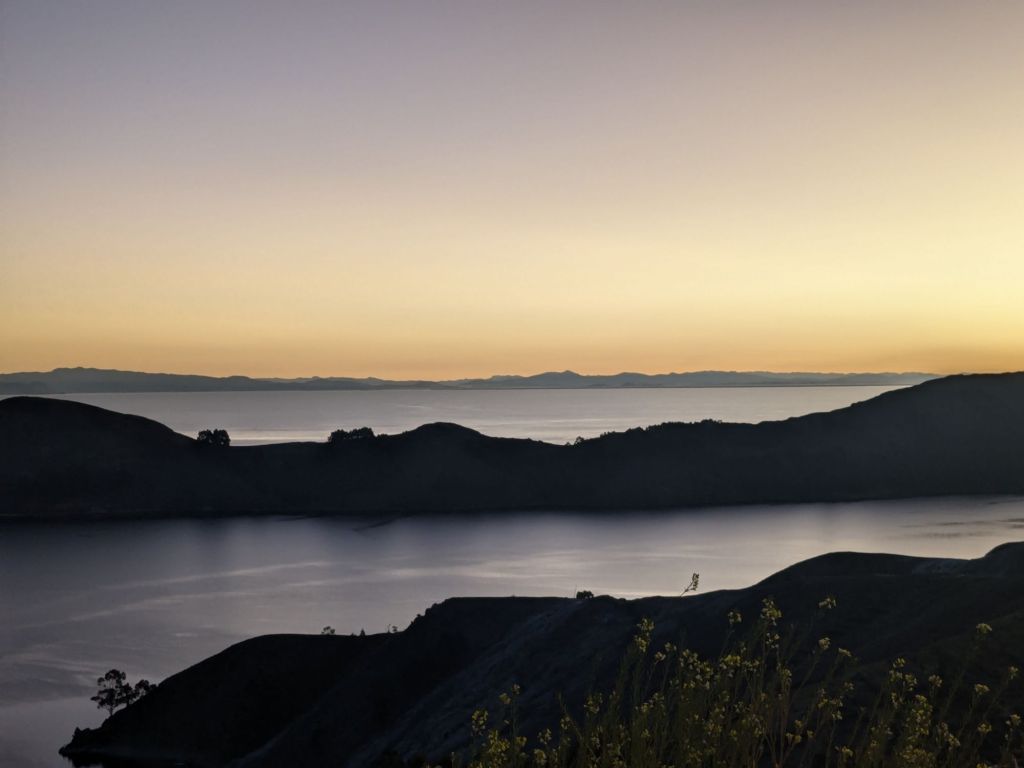
So off we went to Peru, a less chaotic and slicker version of Bolivia, where people no longer stopped to chat with us. Madeleine will let you know how it went in the next post.
A final word about the political situation in Bolivia. In common with the United States, Bolivia has a former president threatening to return to power. Evo Morales was the first indigenous president in a majority indigenous country who served three terms despite a constitutional two-term limit. (The Bolivia Supreme Court found a loophole.) Morales left office in 2019 amid corruption allegations, fleeing to Mexico, but is now gearing up for a run in 2025. It’s looking like a politically rocky year ahead.



 Tween Travels
Leave a reply to jensloyan Cancel reply